
The evolution of gambling a historical perspective
The Origins of Gambling
The history of gambling can be traced back to ancient civilizations, where early forms of gaming were often tied to religious rituals and community events. Evidence suggests that the Chinese were using rudimentary dice as early as 2000 BCE, while ancient Egyptians engaged in gambling with games that involved betting on outcomes. These initial instances laid the groundwork for what would evolve into a significant aspect of human culture and society. Today, players can download the maxi spin app to experience a modern evolution of these ancient games.
As cultures evolved, so did the methods of gambling. The Romans, for example, embraced a variety of games, including dice and betting on gladiatorial contests. This period saw gambling transcend mere pastime to become an integral part of social gatherings. It was during these early times that the first structured rules and regulations began to take shape, laying the foundation for modern gambling practices.
The Medieval Era and the Rise of Gambling Houses
During the medieval period, gambling saw a transformation with the establishment of dedicated venues where people could gather to play. The rise of gambling houses marked a significant change in how games were organized and regulated. These establishments began to offer various games, creating an environment that both entertained and allowed for wagering.
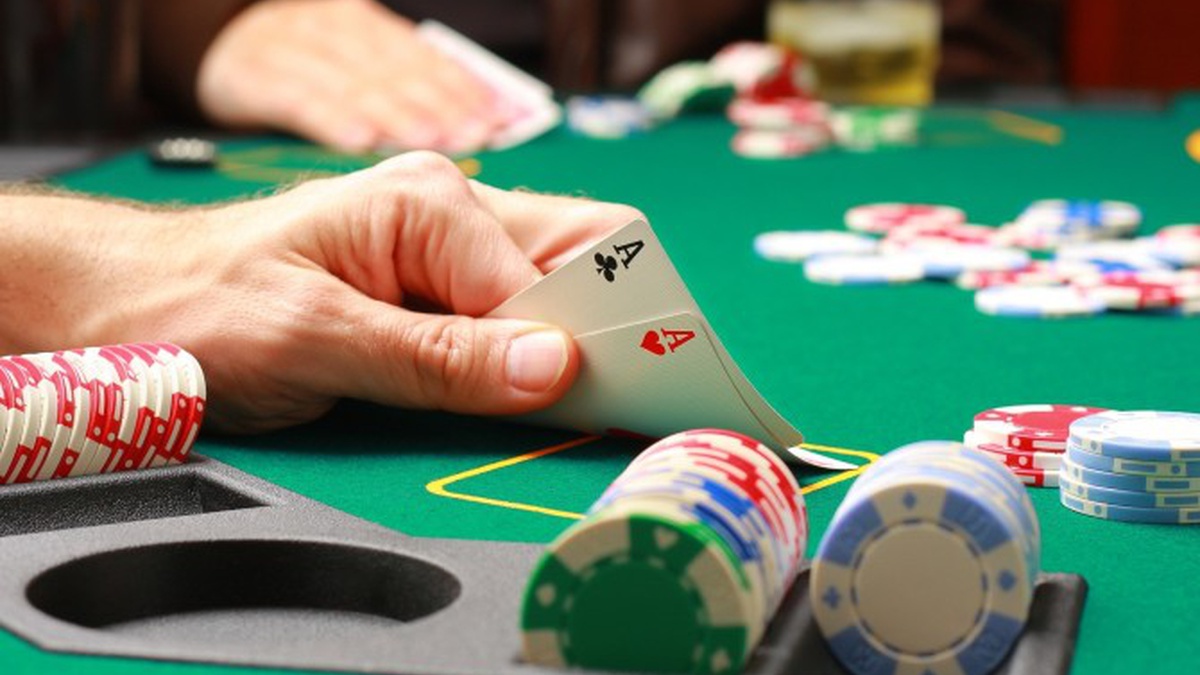
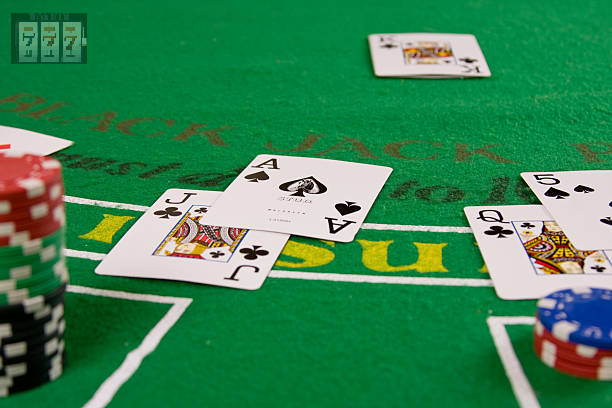
Additionally, the invention of playing cards in the late 14th century introduced a new dimension to gambling. Games like poker and blackjack began to emerge, capturing the fascination of players across Europe. As gambling became increasingly popular, authorities started to regulate it, reflecting its growing importance within society.
The Influence of the Industrial Revolution
The Industrial Revolution brought about significant social and economic changes that directly impacted gambling. Urbanization led to the creation of casinos and race tracks, making gambling more accessible to a larger segment of the population. This era also saw the development of betting on horse races, with the establishment of formalized betting systems and odds calculation.
As gambling gained popularity, it also attracted scrutiny and criticism. The rise of gambling addiction and associated societal problems prompted governments to take action. Laws were enacted to regulate various forms of gambling, and this period saw the beginning of a long-standing tension between gambling advocates and regulators.
The Digital Age and Online Gambling
The late 20th century heralded the arrival of the digital age, revolutionizing how gambling was conducted. The introduction of the internet opened up new avenues for gambling, giving rise to online casinos and sports betting platforms. This evolution allowed players from around the globe to engage in their favorite games without geographical limitations.
As technology advanced, so did the sophistication of online gambling platforms. Enhanced user interfaces, secure payment systems, and a wide variety of games helped fuel the growth of this industry. The digital landscape has not only transformed how gambling is experienced but has also led to ongoing discussions around regulation, safety, and ethical considerations in this new frontier.
Gambling Today and Future Trends
Today, gambling is a multi-billion dollar industry, encompassing everything from traditional casinos to innovative mobile applications. The emergence of technologies such as blockchain and virtual reality is set to further disrupt the gambling landscape, creating new opportunities for players and operators alike. These advancements promise to enhance user experiences and introduce new gaming formats.
As we look to the future, ongoing discussions about responsible gambling and the impact of technology on behavior are crucial. The evolution of gambling is a testament to its enduring appeal and adaptability, highlighting its place in both cultural heritage and contemporary society.