
The evolution of gambling through the ages a historical perspective
The Origins of Gambling
The history of gambling can be traced back to ancient civilizations, where it played a significant role in various cultures. Archaeological findings reveal that as early as 3000 BC, the Chinese were using rudimentary dice made from animal bones for gambling purposes. Similarly, ancient Egyptians participated in games of chance, often involving betting on outcomes of events, which laid the groundwork for modern gambling. Today, you can experience thrilling games at Lucky Lace Casino, which showcases the excitement and strategies that have evolved over time.
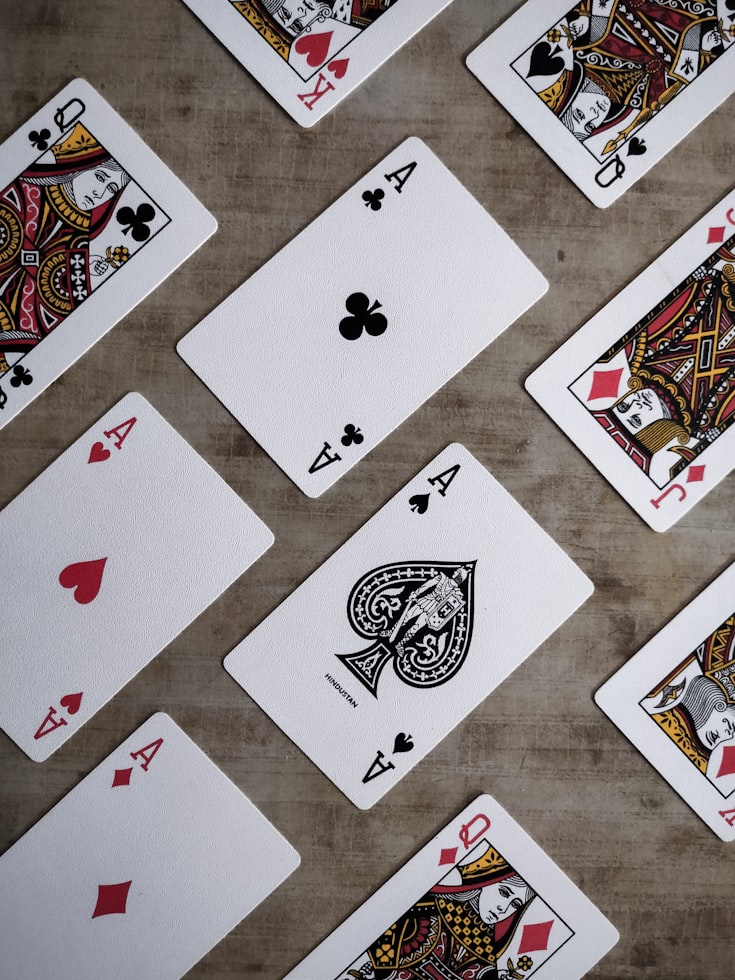
The Greeks and Romans also embraced gambling, with evidence of betting on athletic competitions and chariot races. The advent of these activities further popularized gambling as both a recreational pastime and a form of social interaction. These early forms of betting not only entertained but also helped develop the legal and economic frameworks that govern gambling today.
The Rise of Casinos in Europe
The evolution of gambling took a significant turn in the 17th century with the emergence of the first modern casinos in Europe. The Casino di Venezia, established in Italy in 1638, marked a pivotal moment in the development of gambling as a formalized entertainment option. These establishments offered a variety of games, catering to the upper classes and quickly gaining popularity.
As the concept of the casino spread across Europe, it transformed into a fashionable social hub. The introduction of card games, such as Baccarat and Poker, added depth to the gambling experience. By the 19th century, casinos were flourishing in places like Monte Carlo and Baden-Baden, showcasing opulence and attracting a diverse clientele who sought both thrill and fortune.
The Impact of Technology on Gambling
The technological advancements of the 20th century revolutionized the gambling landscape. The introduction of slot machines in the late 1800s marked a significant shift, allowing players to enjoy games with minimal effort and higher levels of engagement. These machines became synonymous with casinos and contributed to their popularity worldwide.
The rise of the internet in the late 20th century ushered in a new era for gambling. Online casinos emerged, allowing players to engage in betting from the comfort of their homes. This accessibility transformed the gambling landscape, democratizing the experience and expanding the audience significantly. The convenience and variety of online gambling options have fundamentally changed the way people interact with games of chance.
The Globalization of Gambling
As gambling became more mainstream, it also began to take on a global character. International travel and the growth of tourism led to the establishment of mega-casinos in destinations like Las Vegas and Macau. These locales not only offer gambling but also provide entertainment, dining, and luxury experiences, making them attractive to visitors from around the world.
Additionally, the globalization of gambling has led to the emergence of diverse betting cultures. Different countries have adopted unique gaming styles and regulations, creating a rich tapestry of gambling practices worldwide. This cross-cultural exchange has enriched the gambling experience, encouraging innovation and the blending of traditional games with modern elements.

Engaging with Modern Gambling Platforms
Today, gambling is more accessible than ever, with a myriad of platforms available to players. Modern casinos, including those powered by cutting-edge technology, provide immersive experiences through virtual reality and live dealer games. These advancements offer players a unique blend of convenience and excitement, catering to diverse tastes and preferences.
In addition, innovative platforms like Lucky Lace integrate AI technology into their offerings, creating dynamic and interactive gameplay experiences. As the industry continues to evolve, both beginners and seasoned players can explore various strategies and betting options, ensuring that the thrill of gambling remains alive and well in contemporary society.